What is Pellet? Advantages and Areas of Use
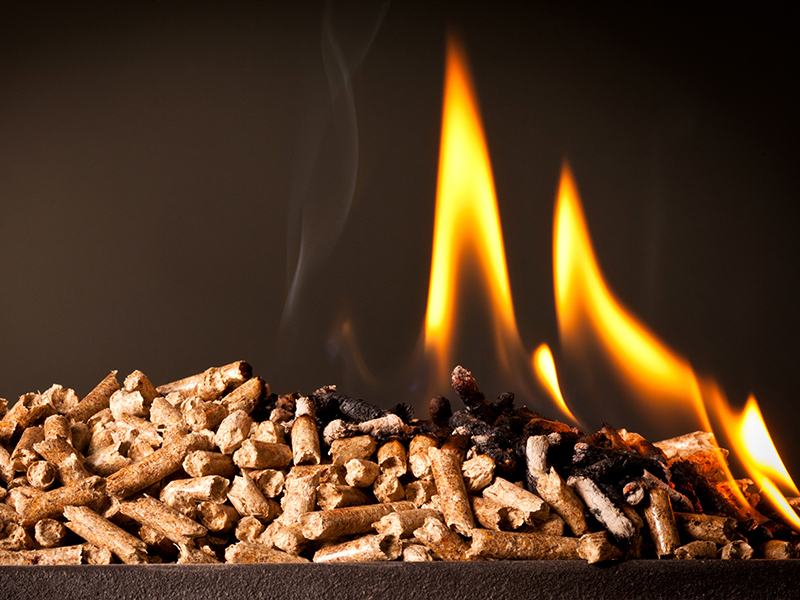
Pellets are small cylindrical particles produced from compressed biomass (usually wood sawdust, agricultural waste, bark, straw). These biomass are compressed under high pressure and turned into pellets. The main purpose of pellets is to be used as fuel to obtain energy. They are widely preferred especially in pellet stoves, pellet boilers and industrial pellet ovens. However, the use of pellets is not limited to energy production. It has a wide range of uses, from home heating systems to industry.
How to Produce Pellets?
The production process of pellets is quite simple but requires high technology. The biomass raw material is first dried and then separated into fine particles. These particles are compressed under high pressure and brought into pellet form. In this process, the natural lignin in the biomass acts as a binder and allows the pellet to maintain its shape. No chemical binders are added, making the pellets an environmentally friendly product.
Advantages of Using Pellets
- High Efficiency: Pellets provide more efficient combustion than other fuels because they have high energy density. This allows more heat to be obtained with less fuel.
- Eco-Friendly: Pellets are produced from renewable energy sources. Carbon emissions are minimal during the production process and provide low carbon emissions when burned. This makes pellets an environmentally friendly fuel.
- Economic: Pellets are generally more economical than other fossil fuels and electricity heating methods. Pellet production and use is more cost-effective, especially in regions close to local biomass resources.
- Easy Storage and Transport: Pellets can be easily stored and transported thanks to their compact structure. They can be stored for a long time as long as they are not affected by moisture.
- Automatic Feeding Possibility: Pellet stoves and boilers can be equipped with automatic feeding systems. This provides long-term heating without users having to constantly feed the stove.
Usage Areas of Pellets
- Home Heating: Pellet stoves and boilers are widely used for heating homes. They are preferred by more and more homeowners due to their high efficiency and environmental friendliness.
- Industrial Use: The use of pellets for energy production is common in large facilities, factories and industrial areas. In addition, pellet production is carried out to utilize waste biomass in these areas.
- Agriculture and Livestock: Pellets can also be used as fertilizer and animal feed in the agricultural sector. Especially pelletized straw and other agricultural wastes are preferred as feed additives in animal husbandry.
Conclusion
Pellets are becoming increasingly common today as both an environmentally friendly and economical energy source. Pellets, which provide high efficiency in both domestic and industrial areas when used correctly, hold an important place among sustainable energy sources. Pellets are an ideal fuel option for those who want to reduce energy costs and reduce their carbon footprint.